
Why Monsoon Affects Your Skin
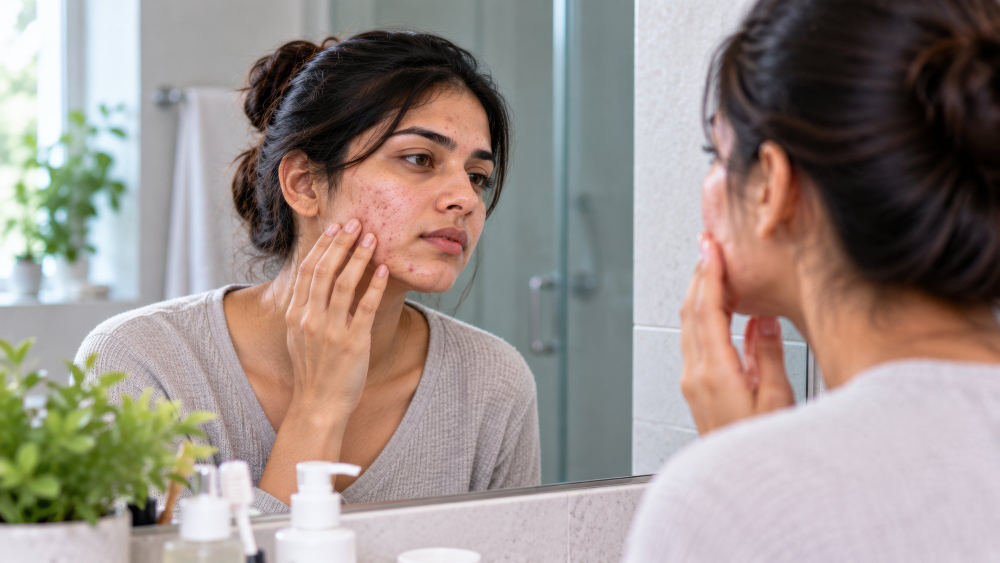
Monsoon skincare becomes important as the rainy season brings high humidity. Because of this, your skin may feel sticky or oily. In places like India, the weather can change quickly. As a result, your skin may react in unexpected ways. For example, sweat and moisture can mix with dirt on your face. This can block pores and lead to breakouts. According to the World Health Organization, humid climates can increase the risk of skin infections. Therefore, it is wise to adjust your routine during monsoon months.
Common Skincare Mistakes During Monsoon
Many people think rain washes away skin problems. However, this is not true. Some habits can make things worse. Here are common mistakes:
Additionally, some people use harsh soaps, thinking it will keep skin clean. But this can strip away natural oils, making skin more sensitive.
How These Mistakes Cause Breakouts and Infections
Because of the damp air, your skin stays moist for longer. This creates a perfect place for germs to grow. For instance, not washing your face can let sweat and dirt block pores. This often leads to pimples or blackheads. Using oily creams can also trap moisture and bacteria. According to the CDC, sharing towels can spread fungal infections. Furthermore, wet clothes can cause rashes or ringworm. When you ignore early signs, small problems can turn into bigger infections. Therefore, being careful with your habits is key during the rainy season.
Evidence-Based Tips for Healthy Monsoon Skincare
With the right care, you can keep your skin healthy. Here are some science-backed monsoon skincare tips:
Moreover, the Indian Association of Dermatologists recommends using sunscreen, even on cloudy days. This helps protect your skin from hidden sun damage.
Preventive Measures to Avoid Skin Issues in Monsoon
Simple steps can help you avoid monsoon breakouts causes and skin infections. For example, always shower after getting caught in the rain. Change out of wet clothes as soon as possible. In addition, keep your nails short and clean. This prevents germs from spreading when you scratch. Use antifungal powder if you sweat a lot, especially in humid areas. Furthermore, avoid sharing personal items to lower your risk of infections. If you notice redness, itching, or swelling, seek medical advice early.
Explore the right treatment approach with personalised support at Esha Skin Clinic.