
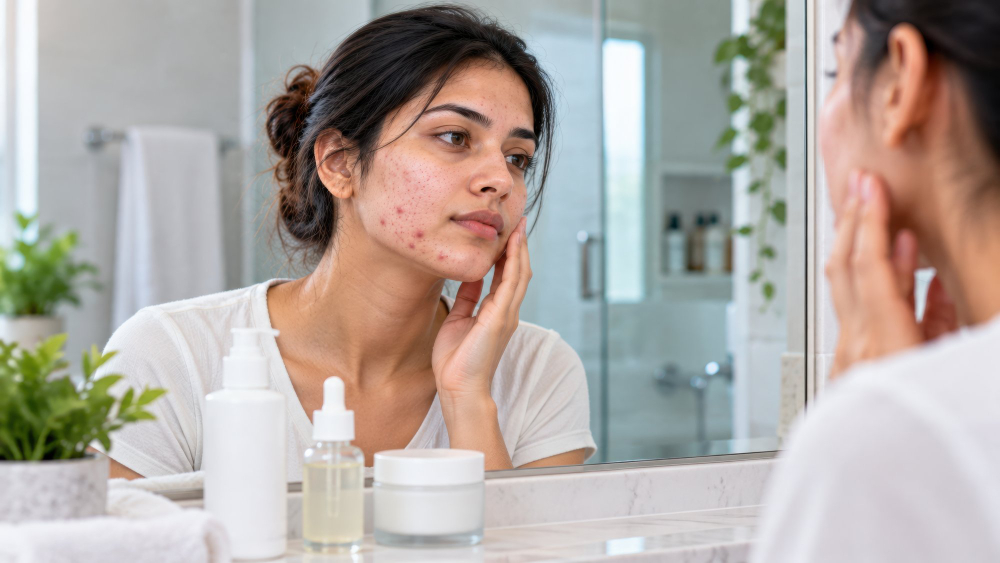
What Are Dark Spots on the Face?
Dark spots on face are patches of skin that look darker than the rest. These spots are often called hyperpigmentation. Usually, they appear as small or large marks. Sometimes, they are brown, black, or even gray. Many people wonder, “Why do I have dark spots on my face?” In most cases, these spots are not harmful. However, they can affect how you feel about your skin. According to the World Health Organization, changes in skin color are common and can happen to anyone.
Common Causes of Dark Spots on the Face
There are several reasons why dark spots on face may develop. Often, these causes are linked to how your skin reacts to certain things. For example, sun exposure is a leading cause. When your skin gets too much sun, it makes extra pigment. This can lead to spots. In addition, other causes include:
For many people, a mix of these factors can play a role. The Centers for Disease Control and Prevention notes that sun protection is one of the best ways to prevent new spots.
How to Identify Different Types of Dark Spots
Not all dark spots on face are the same. In fact, they can look different based on their cause. For instance, sun spots are usually flat and light brown. They often appear on areas that get a lot of sun. On the other hand, melasma causes larger, patchy spots. These often show up on the cheeks or forehead. Post-inflammatory hyperpigmentation happens after a skin injury or acne. These spots can be any shade from pink to dark brown. Because some spots may look like other skin problems, it is important to notice any changes.
Sometimes, spots may itch or change shape. If you notice this, it is best to get them checked.
Risk Factors for Developing Dark Spots
Some people are more likely to get dark spots on face. For example, having a family history of dark spots can increase your risk. Also, people with darker skin tones may notice spots more often. This is because their skin makes more pigment. Other risk factors include:
Even though you cannot change some risk factors, you can protect your skin from the sun. Wearing sunscreen and hats can help lower your risk.
When to See a Dermatologist
Most dark spots on face are not dangerous. However, there are times when you should see a dermatologist. For example, if a spot changes in size, shape, or color, it is important to get it checked. Additionally, if a spot bleeds, itches, or hurts, you should see a doctor. Sometimes, dark spots can look like skin cancer. Because of this, experts from the American Academy of Dermatology suggest regular skin checks. Early care can help find any serious problems quickly. If you feel unsure about a spot, a dermatologist can give you the right advice.
Conclusion
If you are concerned about dark spots or want to explore safe skin treatments, Esha skin clinic is here to help. Book a visit today to learn more about your options for clearer, healthier skin.