
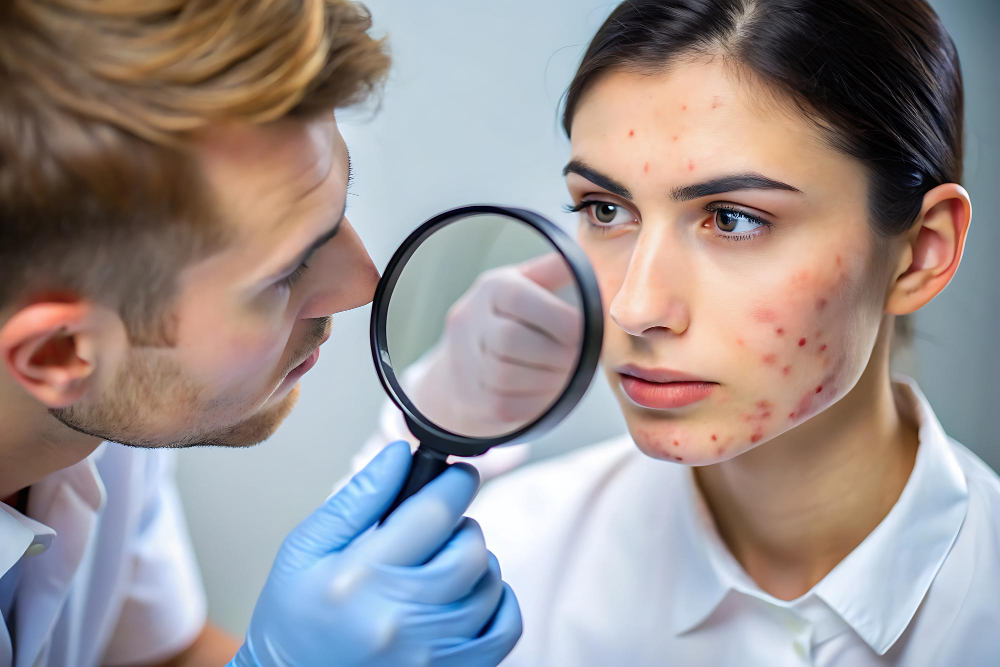
What Is Recurring Acne?
Many people wonder why acne keeps returning even after using treatments. Recurring acne means breakouts come back often, sometimes in the same spots. While some people have clear skin for a while, others notice pimples reappear. This can be frustrating. In fact, acne is one of the most common skin problems worldwide, affecting both teens and adults. According to the American Academy of Dermatology, up to 50 million people in the United States deal with acne each year. Because acne can return for many reasons, it is important to understand what causes it and how to manage it.
Common Triggers for Returning Acne
Several factors can make acne come back again and again. Although everyone’s skin is different, certain triggers are common. Knowing these can help you avoid future breakouts.
Because these triggers are common, paying attention to your daily habits can help you find patterns in your breakouts.
How to Diagnose Persistent Acne
Dermatologists use several steps to diagnose why acne keeps returning. First, they ask about your health history and any products you use. Next, they look at your skin to check the type and location of acne. Sometimes, they may ask about your diet, stress levels, or family history. In rare cases, blood tests or hormone checks are needed. For example, if acne is severe or starts suddenly in adulthood, doctors may look for underlying health issues. Because every person’s skin is unique, a dermatologist can help find the root cause of your recurring acne.
Effective Treatment Approaches for Recurring Acne
There are many ways to treat acne that keeps coming back. While some people need only simple changes, others may need a mix of treatments. Dermatologists often suggest the following approaches:
Because acne can be stubborn, it may take several weeks to see results. Sticking with your treatment plan is important for success.
Lifestyle Tips to Prevent Acne from Coming Back
Making small changes in your daily routine can help keep acne away. Although no method works for everyone, these tips are supported by skin experts:
Because everyone’s skin is different, it may take time to find what works best for you. If acne keeps returning, seeing a dermatologist can help you get the right care, consult at Esha Skin Clinic .